Değişen İnsan Tanımı ve Din Eğitimi
The Changing Definition of Human and Religious Education
Rapid advances in science and technology have brought the question of what it means to be human back into open debate. Artificial intelligence, biotechnology, neuroscience and the climate crisis are each, in different ways, unsettling long-held assumptions about human nature, boundaries and responsibilities. These questions matter directly to religious education, which rests on a particular understanding of the human being and seeks to cultivate learners as moral subjects. Held under the title The Changing Definition of Human and Religious Education, this symposium sets out to examine, through an interdisciplinary approach, what this transformation means for religious education. The symposium aims to do more than describe what is changing: it seeks to explore, collectively, what a future-oriented, inclusive and sustainable religious education might look like.
The programme is organised around five strands: the theological and philosophical foundations of human nature; religious education in the face of global crises; the changing landscape of society, identity and religious belonging; new approaches in education; and future perspectives on the human being. Theoretical work, empirical research and examples from practice are equally welcome. The symposium brings together academics working in religious education, theology, educational sciences, philosophy, sociology and psychology, along with postgraduate students, teachers, educational administrators and curriculum specialists.
The papers presented at the symposium, which is open to international participation, will undergo a blind peer-review process; the selected and thoroughly reviewed studies will be published in an anthology by Routledge and Palgrave.
Committee
Değişen İnsan Tanımı ve Din Eğitimi Committee
-
Doç. Dr. Celile Eren Ökten
T.C. Millî Eğitim Bakanlığı, Turkey
-
Prof. Dr. Mehmet Emin Okur
Marmara Üniversitesi, Turkey
-
Prof. Andrew Wright
Bishop Grosseteste University, United Kingdom
-
Prof. Dr. Ayhan Öz
Marmara Üniversitesi, Turkey
-
Prof. Dr. Banu Gürer
Marmara Üniversitesi, Turkey
-
Prof. Fahimah Ulfat
Universität Münster, Germany
-
Prof. David Aldridge
School of Curriculum and Childhood, United Kingdom
-
Prof. Martin Ubani
University of Eastern Finland, Finland
-
Prof. Mohamad Abdalla
Adelaide University, Australia
-
Prof. Dr. Yusuf Alpaydın
Marmara Üniversitesi, Turkey
-
Assoc. Prof. Daniel Moulin
University of Cambridge, United Kingdom
-
Doç. Dr. Emine Keskiner
Marmara Üniversitesi, Turkey
-
Doç. Dr. Ramazan Gürel
Marmara Üniversitesi, Turkey
-
Doç. Dr. Süleyman Gümrükçüoğlu
Marmara Üniversitesi, Turkey
-
Doç. Dr. Umut Kaya
Marmara Üniversitesi, Turkey
-
Dr. Öğr. Üyesi Ayşe Demirel Uçan
Marmara Ünviersitesi, Turkey
-
Dr. Öğr. Üyesi Esra Tunç
San Diego State University, United States of America
-
Asst. Prof. Farah Ahmed
University of Cambridge, United Kingdom
-
Asst. Prof. Norbani Binti İsmail
International Islamic University Malaysia, Malaysia
-
Dr. Arife Gümüş Sarı
Marmara Üniversitesi, Turkey
-
Dr. Suratno Muchoeri
Universitas Paramadina, Indonesia
-
Dr. Yılmaz Gümüş
University of Osnabrück, Germany
-
Arş. Gör. Muhammet Fatih Adak
Marmara Üniversitesi, Turkey
-
Research Fellow Elina Wright
Regent’s Park College/Oxford University, United Kingdom
-
Prof. Dr. Banu Gürer (Başkan)
Marmara Üniversitesi, Turkey
-
Prof. Dr. Yusuf Alpaydın
Marmara Ünviersitesi, Turkey
-
Dr. Ahmet İşleyen
Millî Eğitim Bakanlığı, Turkey
-
Prof. Dr. Ayhan Öz
Marmara Üniversitesi, Turkey
-
Prof. Dr. Bilal Yorulmaz
Marmara Üniversitesi, Turkey
-
Doç. Dr. Emine Keskiner
Marmara Üniversitesi, Turkey
-
Doç. Dr. Ramazan Gürel
Marmara Üniversitesi, Turkey
-
Doç. Dr. Süleyman Gümrükçüoğlu
Marmara Üniversitesi, Turkey
-
Doç. Dr. Umut Kaya
Marmara Üniversitesi, Turkey
-
Dr. Öğr. Üyesi Ayşe Demirel Uçan
Marmara Üniversitesi, Turkey
-
Asst. Prof. Esra Tunç
San Diego State University, United States of America
-
Asst. Prof. Norbani Binti İsmail
International Islamic University Malaysia, Malaysia
-
Dr. Lokman Yıldırım
Millî Eğitim Bakanlığı, Turkey
-
Dr. Arife Gümüş Sarı
Marmara Üniversitesi, Turkey
-
Dr. Suratno Muchoeri
Universitas Paramadina, Indonesia
-
Research Fellow Elina Wright
Regent’s Park College/Oxford University, United Kingdom
-
Arş. Gör. Muhammet Fatih Adak
Marmara Üniversitesi, Turkey
Subjects
Değişen İnsan Tanımı ve Din Eğitimi Subjects
New Frontiers of Human Nature: Theological and Philosophical Foundations
The Human Being in the Qur'an and the Sunnah: Implications for Religious Education The Human Being in the Islamic Intellectual Tradition Transhumanism, Biotechnology and Conceptions of the Human Defining the Human in the Age of Artificial Intelligence Neurotheology and Spiritual Formation The Human Being between Scientific Evidence and Religious Truth Conceptions of the Human across different Faith and Intellectual TraditionsGlobal Crises and Religious Education
Ecotheology and Education for Environmental Awareness Trauma and Grief Pedagogy Migration and Multicultural Religious Education Peace Education and an Inclusive Religious Language Consumer Culture and the Instrumentalisation of SpiritualitySociety, Identity and Religious Belonging
Individualisation, Religious Belonging and Changing Forms of Belief Theologies of Childhood and Youth Spiritual Care, Guidance and Religious Education Social Media and Religious Identity Disability and Inclusive Religious Education Changing Family Structures and the Intergenerational Transmission of Values Religious Education and Changing Understandings of Gender and IdentityNew Approaches in Education
The New Generation of Learners and Religious Education Teacher Roles and Competences in the Digital Age The Use of Generative Artificial Intelligence in Religious Education Curricula, Textbooks and Assessment Teaching Controversial Issues in Religious Education Interdisciplinary and Holistic Religious Education: STEM, the Arts and History Popular Culture and Religious Education Knowledge and Epistemology in Religious Education Research Methods and New Approaches in Religious EducationFuture Perspectives on the Human Being: Conceptual and Empirical Studies
The Future of Religious Education: Scenarios, Models and Theoretical Proposals Comparative and International Experiences Research on the Expectations of Teachers, Students and ParentsInvited/Plenary Speakers
Değişen İnsan Tanımı ve Din Eğitimi Invited/Plenary Speakers
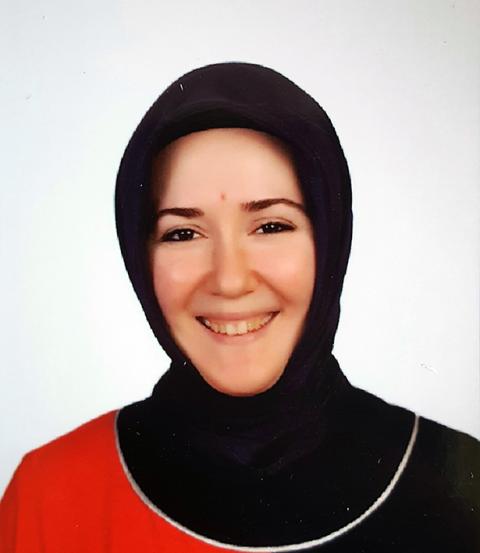
Prof. Dr. Banu Gürer
Marmara Üniversitesi, Turkey
Dr. Yılmaz Gümüş
Institute of Islamic Theology Osnabrück University, Germany

Prof. Andrew Wright
Bishop Grosseteste University, Lincoln, United Kingdom
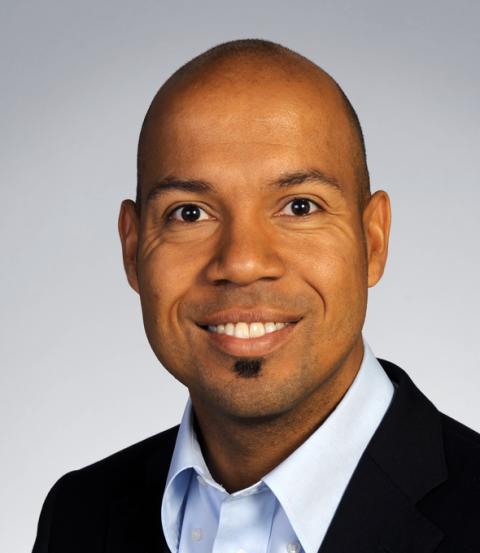
Prof. Martin Ubani
University of Eastern Finland, Finland
Important Dates
Değişen İnsan Tanımı ve Din Eğitimi Important Dates
-
05.11.2026
Abstract Submission Deadline
-
10.11.2026
Announcement of Accepted Papers
-
12.11.2026
Deadline for Final Registration
-
06.12.2026
Full Paper Submission Deadline
Abstracts
Değişen İnsan Tanımı ve Din Eğitimi Abstracts
Click here to access the abstract book.
Prices
Değişen İnsan Tanımı ve Din Eğitimi Prices
Academic-Single Paper Fee
Akademic-Online Single Paper Fee
Postgraduate Student-Single Paper Fee
Postgraduate Student-Online Single Paper Fee
Academic-Double Paper Fee
Academic-Online Double Paper Fee
Postgraduate Student-Double Paper Fee
Postgraduate Student-Online Double Paper Fee
Bank Details
Değişen İnsan Tanımı ve Din Eğitimi Bank Details
IBAN: TR960020500000084502900007
Kuveyttürk Altunizade Şubesi
Hesap adı: Marmara Üniversitesi İlahiyat Fakültesi Vakfı
The in-person registration fee includes a conference bag, a booklet of abstracts, lunch, refreshments and beverages throughout the conference, one presentation slot, and a certificate of attendance.
Guidelines for Abstract and Full Paper
Değişen İnsan Tanımı ve Din Eğitimi Guidelines for Abstract and Full Paper
A maximum of two authors and two papers may be submitted to the symposium.
Submitted works must not have been previously published as a paper or article.
The symposium, open to international participation, will subject presented papers to a blind peer review process. Selected and thoroughly reviewed papers will be published in a compilation book by Routledge and Palgrave. It will be assumed that presenters transfer the copyright of their texts to the organizing committee for the international text book.
The symposium languages are Turkish and English.
Abstracts and full texts should be prepared according to APA 7th Edition.
The abstract should clearly state the "aim," "importance," "method," "limitations," "findings," and "brief bibliography" under separate headings. Abstracts, excluding the brief bibliography, should be between 500 and 750 words. The abstract should be written on A4 paper with 2.5 cm margins on the left, top, right, and bottom, using 12-point Times New Roman font and single line spacing. The abstract should include the title of the paper, the author(s)' title(s), full name(s), affiliation, email address, and telephone number. The paper should be written in Microsoft Word on A4 paper with 2.5 cm margins on the left, top, right, and bottom. The paper should be a maximum of 5000 words, excluding the bibliography. The full text of the paper should be written in 12-point Times New Roman font, single line spacing, and with one line space between paragraphs.
Register
Please fill out the information below.
Frequently Asked Questions
Değişen İnsan Tanımı ve Din Eğitimi Frequently Asked Questions
- How can I submit an abstract?
After registering as a user by clicking the “Sign Up” menu on our website, you can upload your report to the system.
- Is there a participation fee for attendees?
The program is free for attendees.
- When can abstract authors pay the fee?
Once the peer review process is complete and their papers have been accepted for the symposium, authors may make their payments during the final registration phase.
Contact
banu.gurer@marmara.edu.tr ayse.demirel@marmara.edu.tr arife.gumus@marmara.edu.tr fatih.adak@marmara.edu.tr
Contact : İletişim/Contact
Sponsored by
Değişen İnsan Tanımı ve Din Eğitimi Sponsored by
 |
 |
 |
 |